

Consumers are paying closer attention to what they spend. That isn’t exactly breaking news.
What’s more interesting is how some successful retailers are responding. The obvious reaction to a more cost-conscious consumer might be to focus relentlessly on price: lower costs, simplify stores, reduce investment and give shoppers the basics for less.
But some of the retailers worth watching are taking a different approach. They’re recognizing that being value-conscious doesn’t mean consumers have stopped valuing the experience.
Five Below is a particularly interesting example.
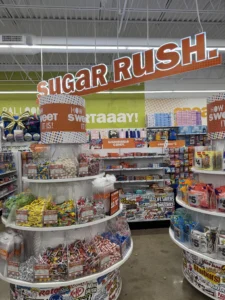
The retailer continues to post strong results, with second-quarter 2026 sales increasing nearly 23% and comparable sales up more than 14%. But attributing that performance simply to consumers looking for lower prices misses much of the story.
Five Below knows its customer. Its stores combine affordability with trend, discovery and fun. The merchandise changes frequently. Products tap into what’s happening in snacks, beauty, tech, toys, collectibles and room décor. And the store environment helps create the feeling that there is always something new to find.
That’s an important distinction.
A $5 product nobody wants isn’t a value. A reasonably priced product that lets someone participate in a trend, try something new or personalize their space can feel like a great value.
Five Below also hasn’t treated strong performance as a reason to stop evolving. The company has continued refining its assortment, presentation and store format, including integrating higher-priced Five Beyond merchandise into the categories where it naturally belongs rather than treating it as a separate destination. The physical store is part of that evolution.
Fixtures aren’t simply there to hold as much inventory as possible. The presentation is energetic, approachable and deliberately designed to make shopping feel like discovery. The environment communicates affordability without communicating that the experience itself is cheap.
And Five Below isn’t alone.
A Very Different Retailer, With a Surprisingly Similar Strategy
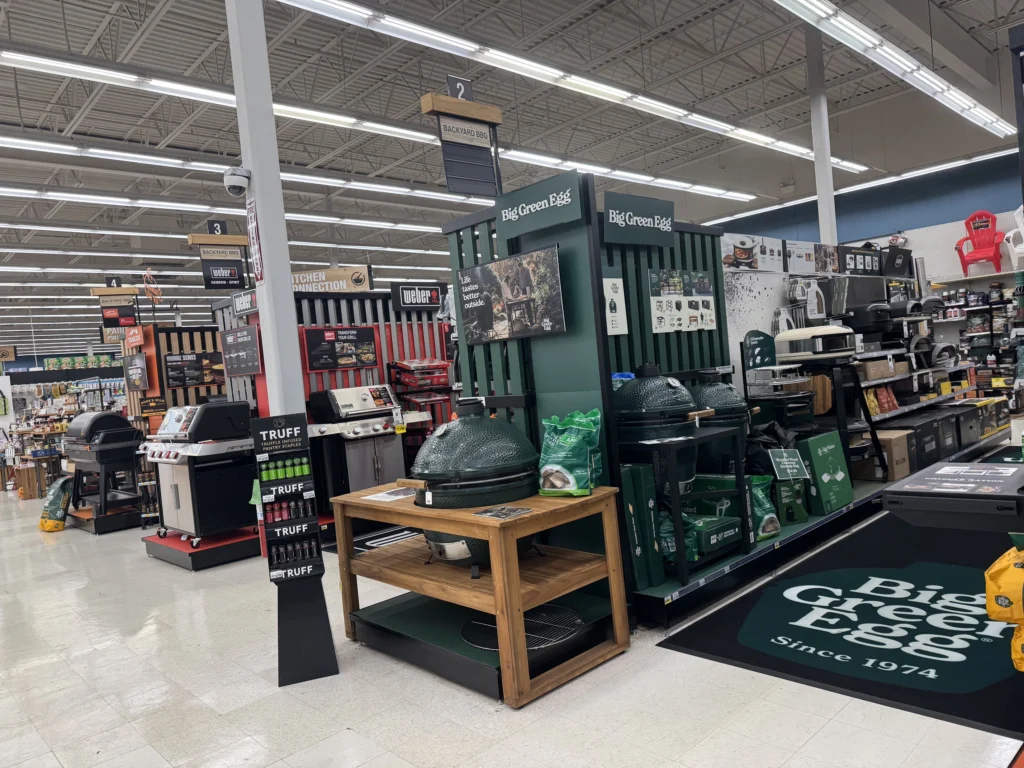
At first glance, Five Below and Ace Hardware don’t have much in common. One has built a strong following among younger consumers looking for affordable, trend-driven merchandise. The other helps homeowners find everything from a gallon of paint and a drill bit to a premium grill.
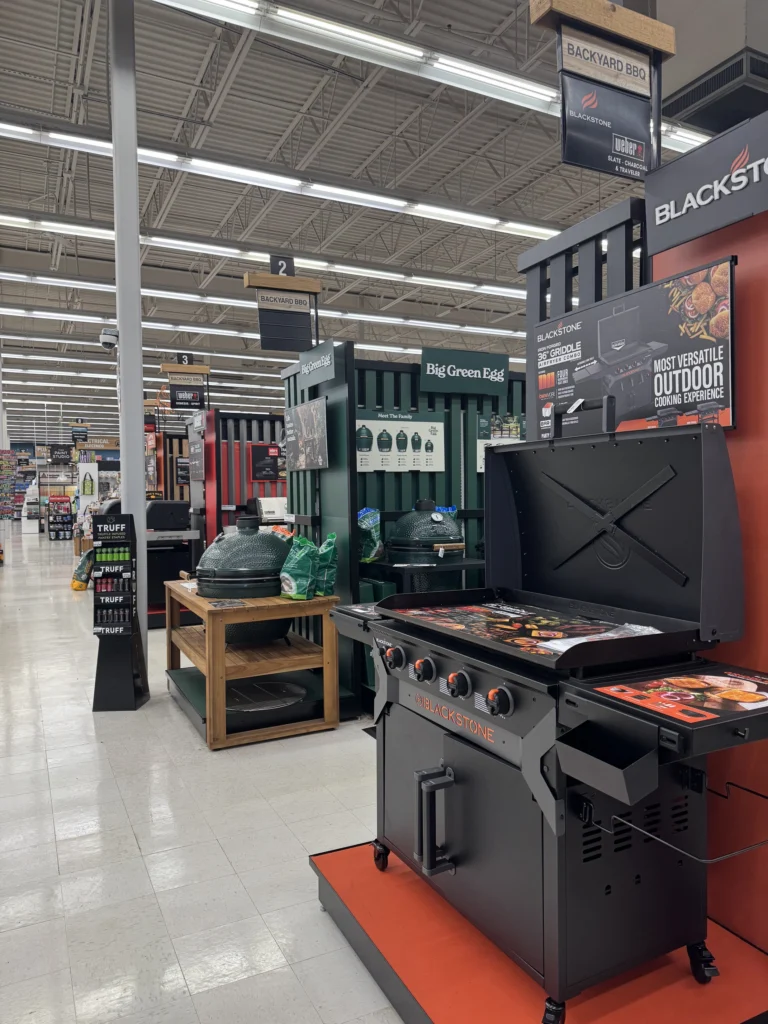
But Ace has also been investing in the physical shopping experience. Through its ELEVATE³ Ace store initiative, the retailer has been creating more immersive destinations around categories including Paint, Power, Backyard & Barbecue and Home Preservation.
That makes sense. Someone replacing a furnace filter may simply want to find it quickly and get home. But a customer considering a new grill, power equipment or a home improvement project may want something more. Presentation, product interaction, knowledgeable assistance and inspiration can all become part of the value proposition.
And the investment appears to be working. Ace has reported stronger sales and gross-profit performance from stores implementing the new format.
Still, Ace continues to remodel and evolve stores. That may be the more interesting lesson.
Strong retailers aren’t necessarily waiting for the store experience to stop working before they change it. They’re evolving while it’s working.
Value Is Becoming More Personal
The connection between these two retailers isn’t price point. It’s understanding what their respective customers value. For Five Below, value can mean affordability combined with trend relevance, discovery, self-expression and fun.
For Ace, it can mean expertise, convenience, strong brands, product knowledge and inspiration. Neither retailer is trying to become the other. They’re becoming more deliberate about delivering the things their own customers consider worth paying for.
We’re seeing variations of that strategy across retail. Assortments are changing. Health and wellness are crossing traditional category boundaries. Retailers are developing smaller formats. Stores are becoming more localized. Merchandising is becoming more flexible. Digital elements are moving closer to the product.
All these changes point toward a consumer who may be more selective about spending, but who hasn’t stopped wanting new products, better experiences or reasons to visit a store.
Perhaps we’ve been too quick to describe that consumer simply as “cost-conscious.” Selective may be the better word. Selective consumers still spend. Retailers just must work harder to earn that spend.
What Does That Mean for the Physical Store?
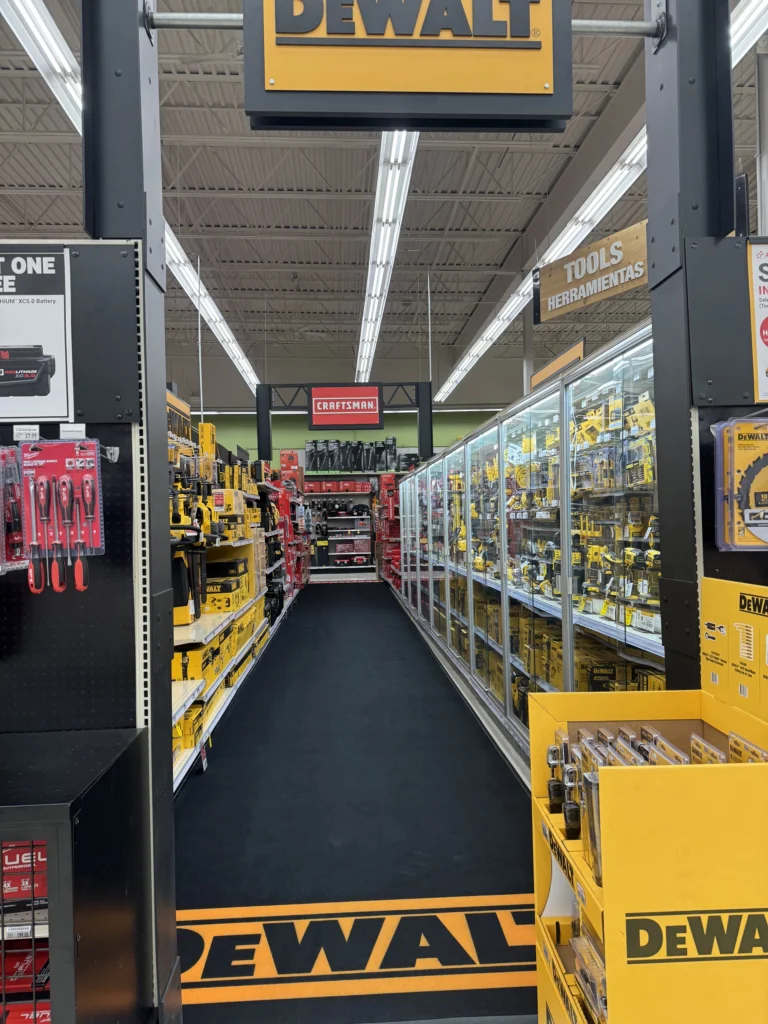
It means the store can’t be treated simply as the place where inventory is kept until someone buys it. Physical retail has to do things an online product grid cannot do particularly well.
It can create discovery. It can demonstrate a product. It can bring complementary merchandise together. It can introduce a trend. It can provide expertise. It can make a category easier to understand. And, yes, it can make shopping enjoyable. That doesn’t require extravagance.
In fact, some of the most effective retail environments balance experience with tremendous discipline around cost, space and operational efficiency.
The same is true of fixtures and displays. Value engineering and customer experience don’t have to be opposing objectives. A fixture can be cost-conscious, scalable and practical to manufacture while still presenting merchandise well and contributing to the character of the store.
Increasingly, it also needs to change. Retailers are adjusting assortments faster. Trends emerge and disappear faster. Categories grow, shrink and cross over into one another. Promotions change. Technology changes. Stores themselves are being asked to serve different purposes.
That makes adaptability part of the value equation too.
Looking Toward 2027
The lesson heading into 2027 may not be that consumers have stopped spending. It’s that they’ve become more deliberate about where they spend and what they believe is worth the money.
The retailers worth watching aren’t responding with price alone. They’re reconsidering assortment, presentation, service, store format and the experience surrounding the product.
Five Below is doing it for a shopper who wants affordability, relevance and discovery.
Ace Hardware is doing it for a shopper who values convenience, expertise and inspiration.
Very different customers. Very different stores. But both demonstrate something important about where physical retail may be headed:
Affordability matters. Efficiency matters. But neither requires making the shopping experience feel cheap. And perhaps the retailers best positioned for 2027 will be the ones that understand the difference.