

Custom Endcap Display Solutions for Your Brand
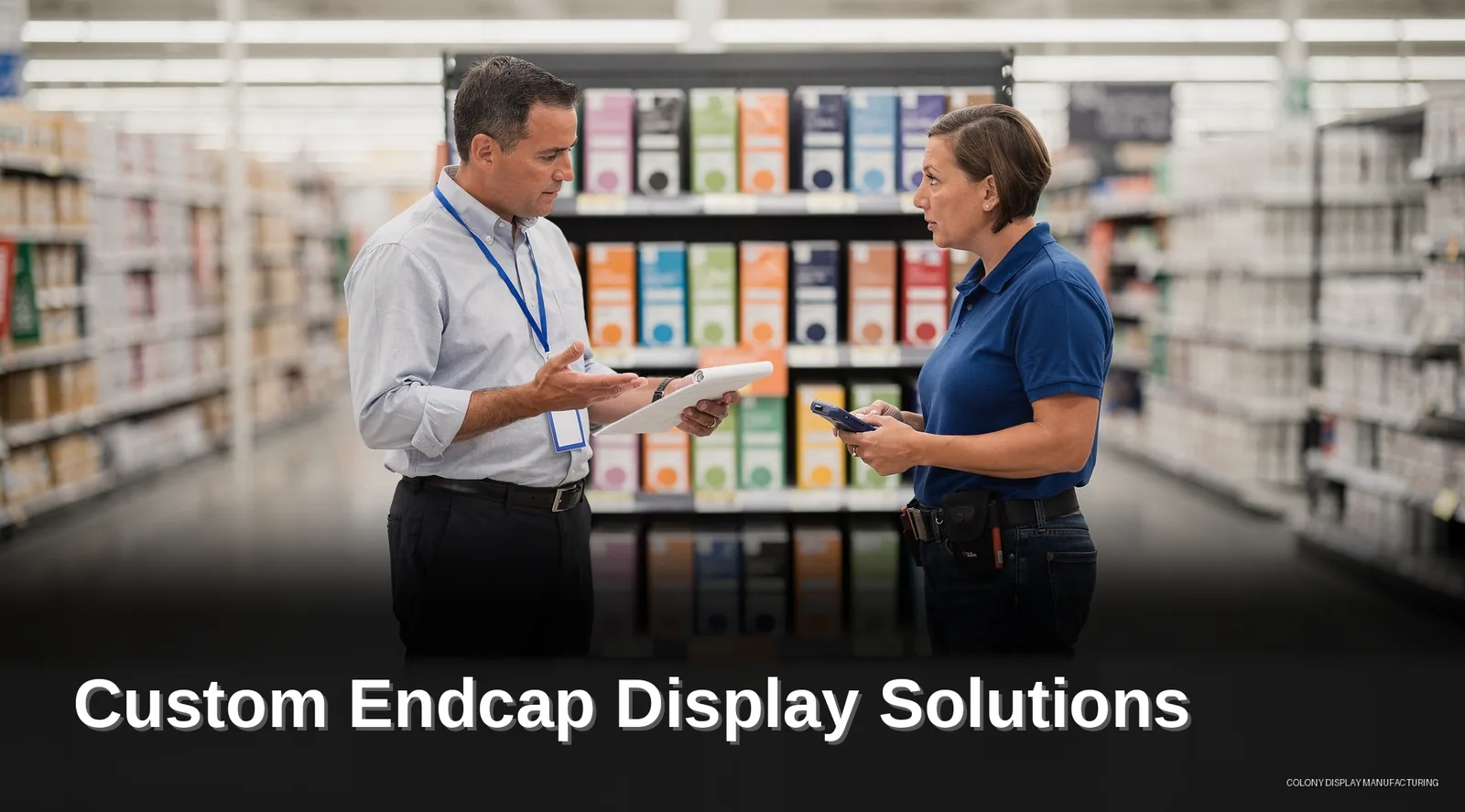
When it comes to Custom Endcap Display Solutions, endcap displays from Colony Display Manufacturing, based in Bartlett, IL, deliver custom-engineered solutions that match your brand’s exact specifications. Material selection, dimensions, and graphics integration determine shopper engagement at high-traffic store locations.
Endcap displays require strategic design to maximize visibility and engagement, as 37% of shoppers notice end-of-aisle placements. At Colony Display Manufacturing in Bartlett, IL, we build endcaps that reflect your brand identity and capture that attention, turning high-visibility real estate into measurable sales elevator.
Endcap selection depends on product size, sales velocity, and brand storytelling needs. End-of-aisle displays draw 37% of shopper attention according to the Path to Purchase Institute. Merchandisers should match material such as millwork, metal, acrylic, or laminate to durability and budget requirements. Colony Display engineers custom endcaps built for consistent execution across every retail partner location.
Key Takeaways
- End cap displays generate 27% higher sales compared to standard shelf placement for featured products.
- Shoppers notice end-of-aisle displays most frequently, with 37% of consumers actively seeking them while shopping.
- Colony Display Manufacturing creates retail-ready endcap solutions that capture shopper attention at critical purchase moments.
- Strategic endcap positioning drives in-store conversions by placing products directly in high-traffic retail zones.
What Should You Know Before Selecting an Endcap?
Endcap selection starts with matching fixture materials to product weight, category, and store traffic patterns. Retail procurement directors face real stakes here: a poorly matched fixture undermines the very sales elevator the placement is meant to capture. Path to Purchase Institute research found that 37% of shoppers surveyed notice end-of-aisle displays most while shopping, making this the highest-visibility format in the store. That attention only converts to revenue when the structure holds up under real conditions.
What Materials Work Best for a Custom Endcap?
Material choice depends on product category and expected traffic volume. Colony Display builds custom endcap display solutions using millwork, metal, laminates, acrylic, and specialty materials, balancing durability against cost and visual impact. A grocery endcap carrying heavy cans needs different structural support than an acrylic-forward display for cosmetics.
Does Endcap Placement Actually Increase Sales?
Yes. One study found moving product to an endcap produced a 27% sales bump over standard shelf placement, turning casual browsers into buyers. Before committing budget, merchandisers should confirm:
- Product category fits high-traffic, high-visibility placement
- Fixture materials match durability requirements
- Design partner offers engineering, prototyping, and manufacturing under one roof
Working with a single accountable partner from design through production reduces handoff errors and keeps program rollouts on schedule.
How Do You Choose Materials, Design, and Format?
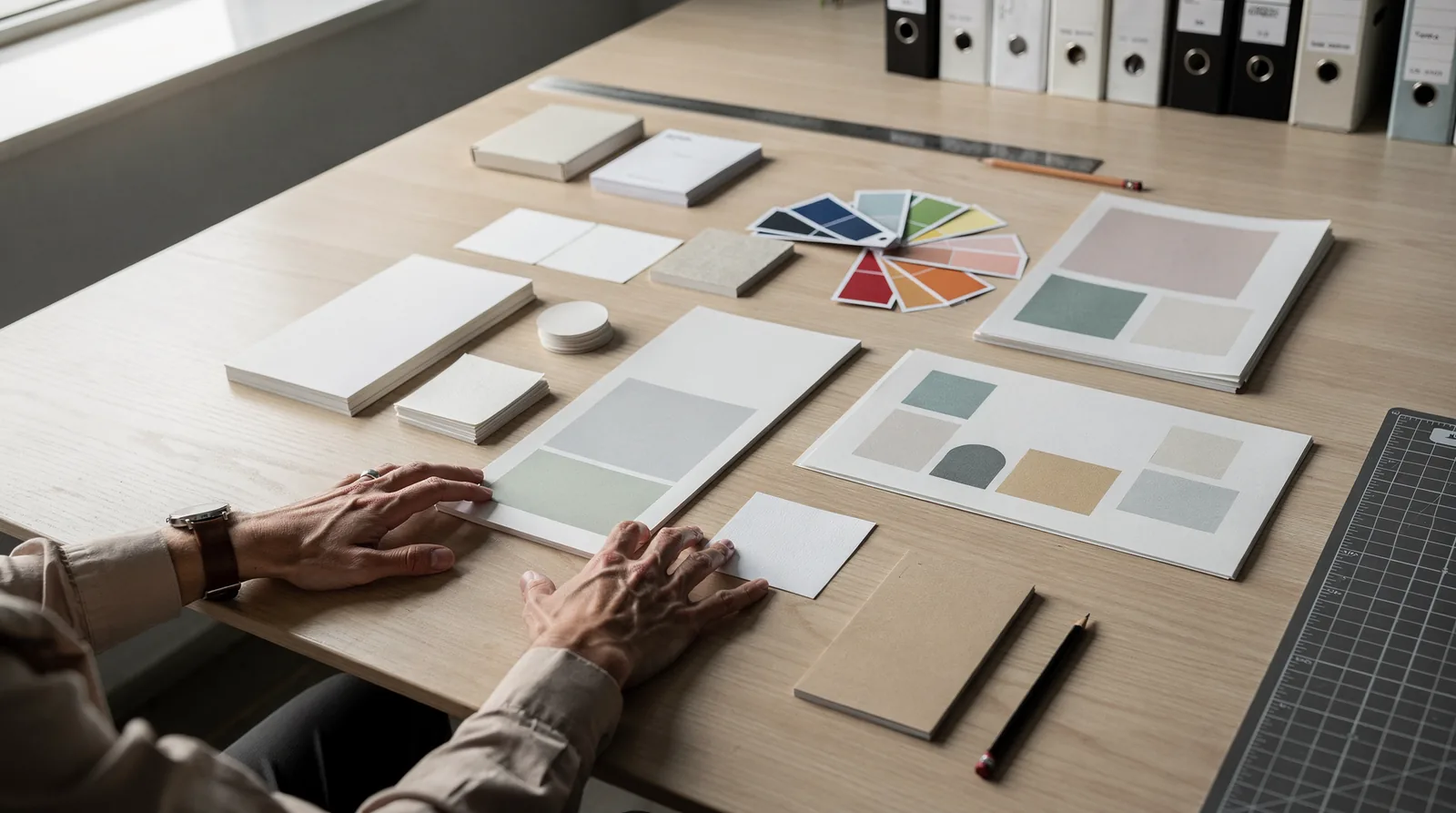
Material, design, and format decisions follow a defined path: engineering and design support, prototyping, fixture manufacturing, and finally store execution. Skipping any stage risks a display that looks strong on paper but fails on the sales floor. Procurement directors and store designers get the strongest results when they treat these four capabilities as sequential steps, not optional extras.
Custom Endcap Display Solutions take shape through a structured process:
- Define the retail environment and daily-use demands the endcap must withstand.
- Work through engineering and design support to match materials to that environment.
- Build and test prototypes before committing to full production.
- Move into fixture manufacturing once the design holds up under review.
- Execute installation and merchandising at store level.
What Materials Work Best for Grocery and Convenience Endcaps?
Grocery and convenience formats need endcap materials built for continuous daily handling. Shoppers touch, restock, and move through these fixtures constantly, so surfaces must hold up without looking worn. Materials also need to reinforce store identity, helping shoppers navigate the layout efficiently while keeping brand recognition consistent across locations.
Does Design Really Influence Purchase Decisions?
Design choices that let shoppers see, hold, or physically interact with a product directly support conversion. Most shoppers report being more inclined to buy after that kind of hands-on interaction. Endcap design should therefore prioritize accessibility and product visibility over decoration alone.
Colony Display partners with brand marketing and trade marketing teams throughout this process, producing POP displays and activation programs built to meet individual retailer requirements across grocery, convenience, and specialty environments alike.
How Do You Avoid Common Endcap Display Mistakes?
Avoiding endcap failures starts with recognizing where programs typically break down: shopper wayfinding, installation consistency, and follow-through after manufacturing. Shoppers frequently walk straight to a known section of the store, skipping interior shelving entirely. A poorly placed endcap misses that traffic pattern completely, wasting the store’s highest-visibility real estate.
Inconsistent installation ranks among the most common execution failures. Professional installation keeps fixtures correctly placed, fully functional, and aligned with each store’s standards. Colony Display Manufacturing coordinates directly with retail stakeholders to deliver custom endcap display solutions with consistent execution across every location.
Why Does Execution Matter More Than Manufacturing Alone?
A finished fixture means nothing until it performs in-store. Production is only half the program; in-store execution brings the entire rollout to life. Programs that stop at the factory floor lose the impact they were designed to create.
How Does Facility Location Affect Multi-Site Rollouts?
Coordinated logistics matter for retailers managing dozens or hundreds of locations. Operating from Bartlett, Illinois, Colony Display Manufacturing supports nationwide rollout scheduling, keeping installation timing consistent from region to region.
FAQ
What factors matter most when selecting an endcap display?
Endcap selection depends on matching fixture materials to product weight, category, and store traffic patterns. Colony Display Manufacturing engineers custom endcaps that balance durability, budget, and consistent execution across every retail partner location.
What materials does Colony Display use for custom endcaps?
Colony Display builds custom endcap solutions using millwork, metal, laminates, acrylic, and specialty materials. Material choice balances durability against cost and visual impact based on product category and expected traffic volume.
How much can an endcap display increase sales?
Moving product to an endcap produces a 27% sales bump over standard shelf placement. End-of-aisle displays also draw the most shopper attention, with 37% of consumers actively seeking them out.
Conclusion
In closing, selecting the right endcap display requires balancing your brand’s visual identity, retail environment, and operational goals. The fixture you choose becomes a direct extension of your merchandising strategy, influencing customer engagement and sales performance. By partnering with a manufacturer who understands both design excellence and production scalability, you ensure your endcap delivers results from day one—and performs reliably across your entire retail footprint.